2026-07-25 - 5 min read
Understanding Your Blood Pressure Numbers
Learn what a blood-pressure reading means, how to get a more reliable home measurement, and when to follow up with your care team.
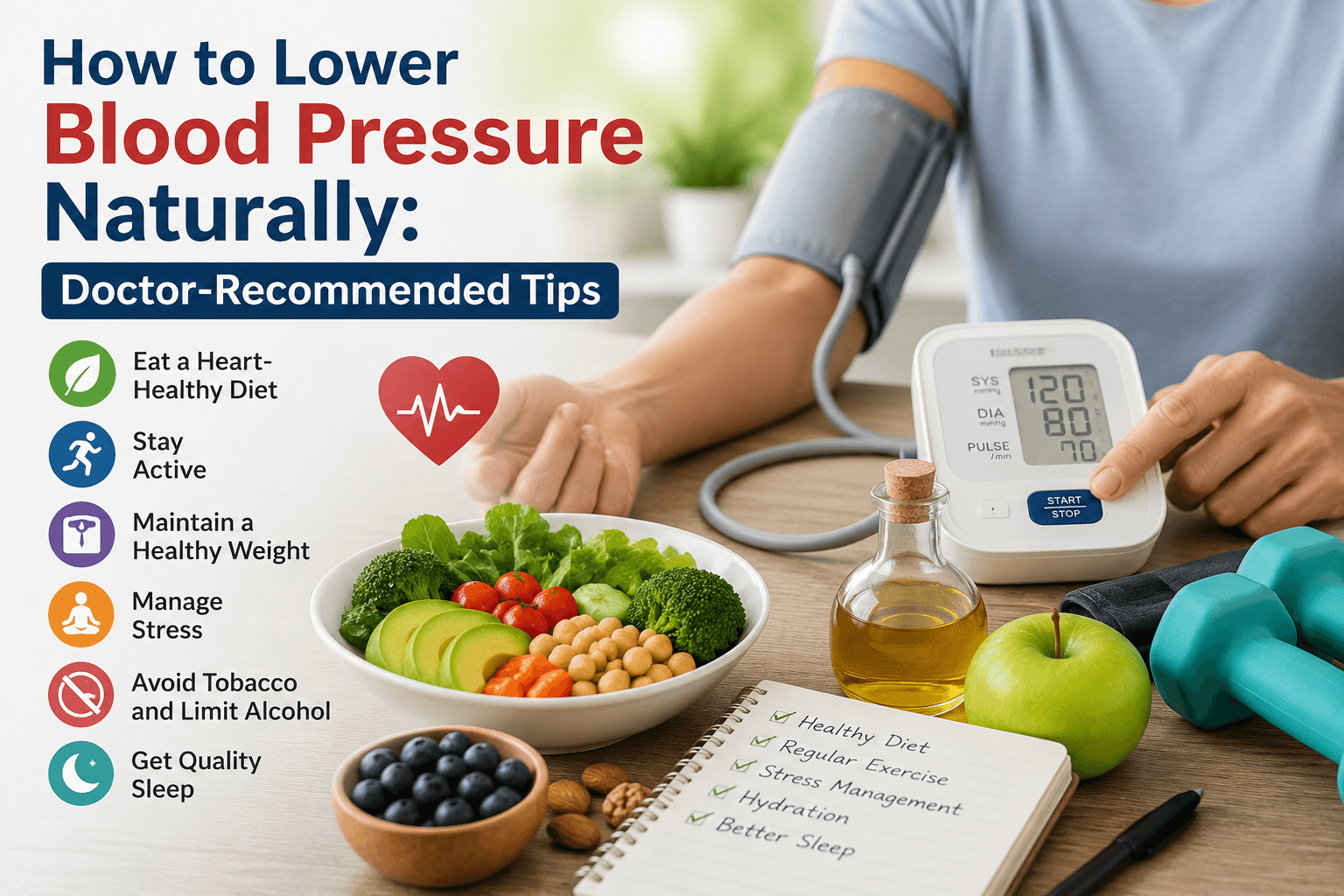
Blood pressure is one of the most useful numbers in preventive care, yet it can be easy to overlook when you feel well. Regular readings help your care team identify changes early and make a plan that fits your health needs.
What the two numbers represent
The top number, systolic pressure, reflects pressure when the heart contracts. The bottom number, diastolic pressure, reflects pressure when the heart relaxes between beats. A single reading is only one piece of the picture, so your clinician may look for a pattern over time.
Tips for a more useful home reading
- Use a validated upper-arm monitor with the correct cuff size.
- Avoid exercise, caffeine, and smoking for about 30 minutes before checking when possible.
- Sit quietly for five minutes with feet flat on the floor and your arm supported at heart level.
- Take readings at the same time of day and write them down with the date and time.
- Bring your log and monitor to your appointment if you have questions about accuracy.
Support for healthy blood pressure
Healthy eating patterns, regular activity, sleep, stress management, avoiding tobacco, and taking prescribed medications as directed can all be part of a blood-pressure plan. Your clinician can help you choose practical next steps based on your history.
Seek emergency help for a blood-pressure reading that is very high along with symptoms such as chest pain, shortness of breath, weakness, vision changes, confusion, or severe headache.