2026-07-17 - 6 min read
Can Chemical Shampoos Cause Hair Loss? What Your Scalp May Be Telling You
Learn how irritating hair products can contribute to scalp discomfort and breakage, how to choose a gentler routine, and when to seek medical advice.
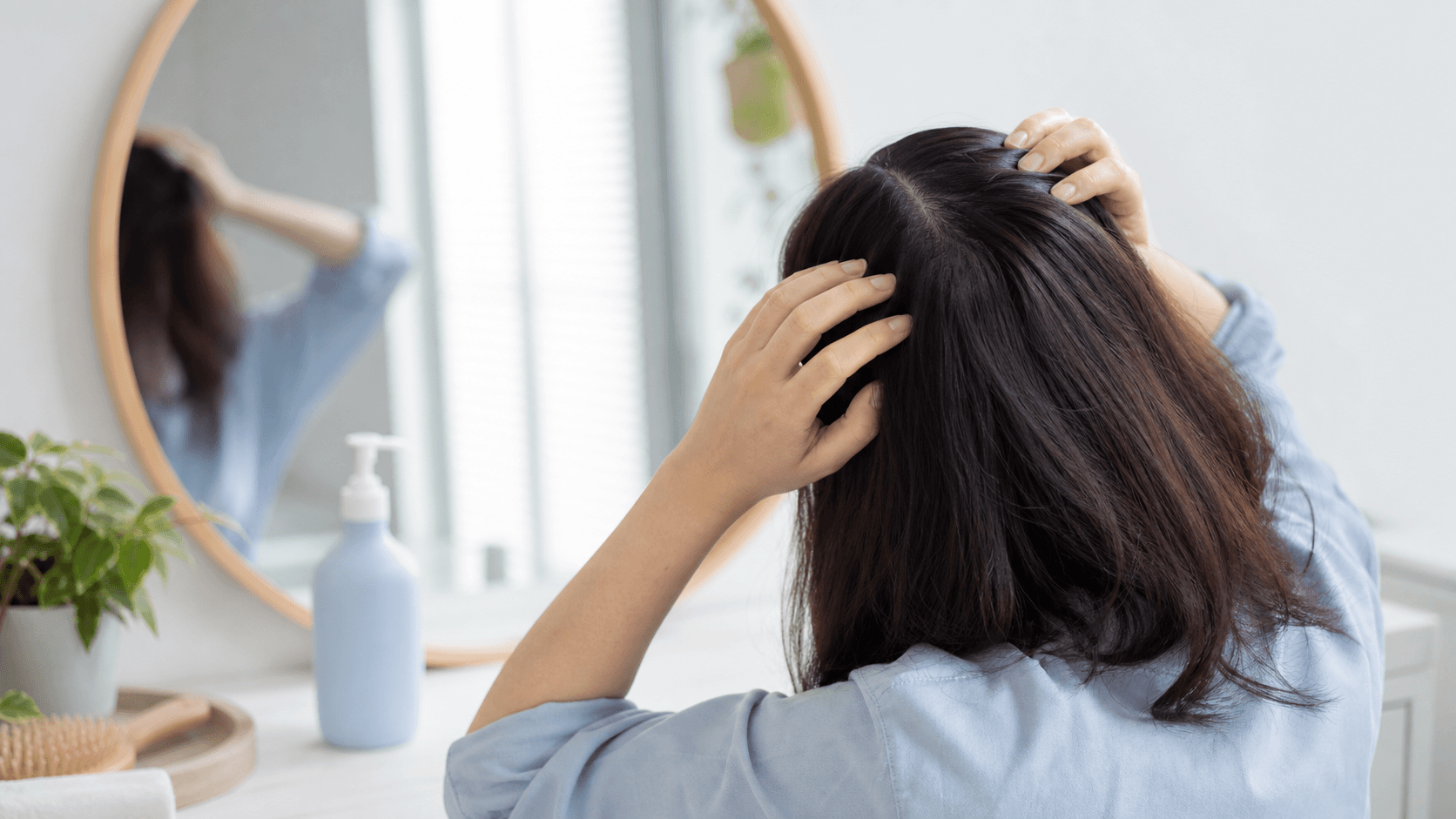
Noticing more hair in the shower or on your brush can be worrying. Although shampoo is often blamed, most hair loss has more than one possible cause. A product may irritate the scalp or make hair more prone to breakage, but it is important not to assume that every change in shedding is caused by a shampoo.
Hair shedding and hair breakage are not the same
It is normal to shed some hairs each day as part of the natural growth cycle. Breakage happens when the hair shaft becomes dry, damaged, or fragile and snaps along its length. Breakage can make hair look thinner even when the hair follicle is still growing hair.
Can shampoo contribute to a problem?
A shampoo does not usually cause permanent hair loss on its own. However, a product that is too harsh for your scalp or hair type may strip moisture, worsen dryness, or trigger irritation. Repeated rubbing of shampoo through the lengths of hair, frequent heat styling, coloring, relaxing, or tight hairstyles can add to damage and breakage.
Some people can also develop an irritant or allergic contact reaction to ingredients such as fragrance, preservatives, or surfactants. A reaction may cause itching, burning, redness, flaking, or a rash where the product touches the skin.
Signs your shampoo may not agree with your scalp
- New itching, burning, stinging, or tenderness after washing
- Redness, flaking, bumps, or a rash on the scalp, hairline, ears, or neck
- Hair that suddenly feels unusually dry, brittle, or difficult to manage
- More short, broken hairs rather than full-length hairs shedding from the root
- Symptoms that began after introducing a new product
If you develop swelling, hives, trouble breathing, or severe pain after using a hair product, seek urgent medical care.
A gentler hair-washing routine
If you suspect a product is causing irritation, stop using it and simplify your routine. Choose a gentle shampoo appropriate for your scalp, and consider fragrance-free options if you have sensitive skin. Patch testing with a dermatologist can help identify an allergy when reactions keep returning.
- Massage shampoo gently into the scalp instead of rubbing it through the full length of your hair.
- Rinse thoroughly, then apply conditioner to the lengths and ends of your hair.
- Limit very hot water, aggressive towel drying, and frequent high-heat styling.
- Introduce one new product at a time so it is easier to spot a reaction.
- Follow directions for medicated shampoos, which can be drying if overused.
Other common reasons for hair loss
Hair shedding can be linked to genetics, stress, recent illness, hormonal changes, thyroid conditions, iron deficiency, certain medications, rapid weight changes, and scalp conditions such as eczema, psoriasis, or fungal infection. Because the possible causes are broad, an evaluation is helpful when hair loss is new, persistent, or worsening.
When to talk with a healthcare professional
Make an appointment if you notice patchy hair loss, a widening part, a receding hairline, scalp pain or sores, sudden heavy shedding, or ongoing symptoms despite changing your hair routine. Your clinician can review your health history, medications, diet, and scalp symptoms, and recommend next steps or a dermatology referral when needed.
The bottom line
The term “chemical shampoo” can sound alarming, but many ingredients are used safely by most people. The key is how your individual scalp and hair respond. A gentle routine and early attention to irritation can help protect your scalp and reduce avoidable breakage. If hair loss continues, do not self-diagnose—get personalized medical guidance.